Lieutenant General Kaiwalya Trivikram Parnaik, PVSM, UYSM, YSM, was born on 28 June 1953 in Maharashtra. He became the first Maharashtrian to command the Northern Command of the Indian Army — its most operationally significant command — and subsequently served as the 20th Governor of Arunachal Pradesh.
His career spans over four decades of active military service and constitutional governance, defined by strategic acuity, commitment to those under his command, and a firm belief in India's territorial sovereignty. From the operational theatres of Jammu and Kashmir to the highest echelons of military command, he navigated the nation's most complex security challenges.
During a period of transformation in India's security architecture — including the evolution of counter-insurgency doctrine and the modernisation of force structures — Lt. Gen. Parnaik was an architect of change. His three decorations, the PVSM, UYSM, and YSM, reflect service of exceptional merit in both peacetime and operational environments.
His transition from military command to the role of Governor of Arunachal Pradesh represents a continuum of service. His appointment to this sensitive frontier state, sharing borders with China, Myanmar, and Bhutan, reflects the nation's confidence in his ability to navigate the intersection of governance, diplomacy, and security.
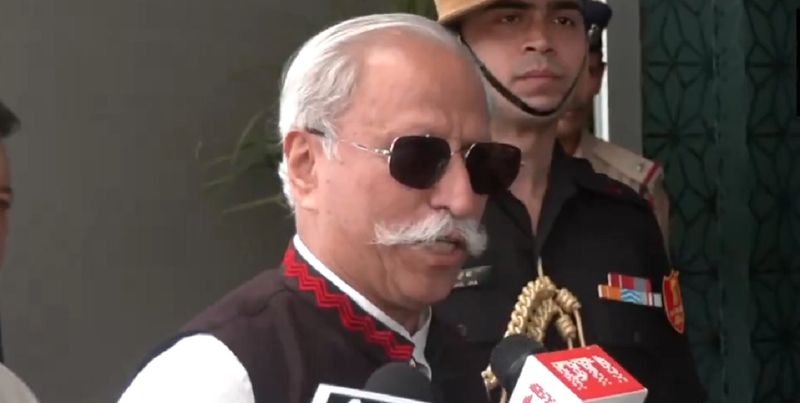
Foundations of Character
Born in Maharashtra, Kaiwalya Trivikram Parnaik grew up shaped by the state's Maratha martial heritage and a strong culture of discipline, education, and public service. The post-independence India of the 1950s and 1960s, navigating nation-building alongside border security threats, provided the context in which his worldview took shape.
Inspired by the Indian military's role in the 1962, 1965, and 1971 conflicts, Parnaik joined the Indian Military Academy in Dehradun in the early 1970s. The IMA's demanding regime of physical conditioning, military science, and combat field exercises forged in him the resilience, intellectual depth, and leadership that would define his career.
Upon commissioning into the Indian Army, the young officer carried with him not only technical proficiency but a deep understanding of the officer's covenant — the trust between a leader and those he commands, and the recognition that military leadership is fundamentally an exercise in moral responsibility.
Ascent Through the Ranks
Lt. Gen. K. T. Parnaik's rise through the Indian Army was marked by exceptional performance at every level, a deepening grasp of national security, and a growing reputation for strategic vision and operational capability.
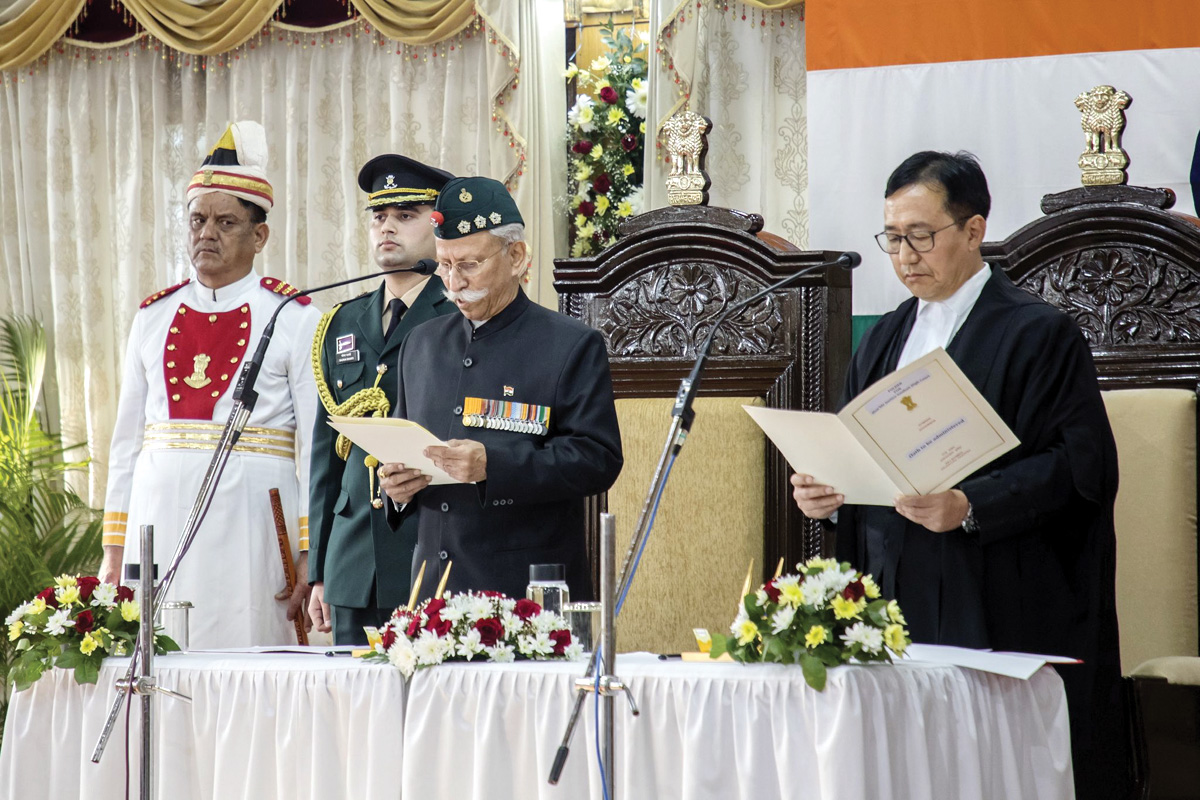
His formative years of service, from the mid-1970s through the 1980s, coincided with significant operational activity — the Northeast insurgency, Op Bluestar, and the Sri Lankan intervention. These sub-conventional warfare environments honed his tactical skills and gave him an intimate understanding of human terrain.
As he progressed through the middle ranks, Parnaik attended the Defence Services Staff College in Wellington and subsequent higher command courses. These institutions provided the intellectual framework for operational and strategic-level thinking and broadened his perspective on national security policy.
The 1990s brought the eruption of insurgency in Jammu and Kashmir, which defined the Indian Army's operational character for decades. The Kashmir Valley and the Line of Control became proving grounds, demanding a balance between countering a well-armed, cross-border-supported insurgency and protecting civilian life.
The 1999 Kargil conflict was a watershed moment, demanding a response of exceptional precision under high-altitude conditions and intense international scrutiny. Its lessons on intelligence preparedness, joint operations, and high-altitude combat profoundly shaped Parnaik and his generation of military leaders.
Command of brigades and divisions in operationally active areas tested his ability to lead large formations, while staff assignments at corps and army headquarters exposed him to force planning and strategic coordination. This synthesis produced an officer equally comfortable commanding in the field and formulating policy at the highest levels.
By the time he reached the rank of Lieutenant General, Parnaik's breadth of experience — spanning counter-insurgency, conventional force management, border security, and military diplomacy — made him a natural choice for the most demanding command appointments in the Indian Army.
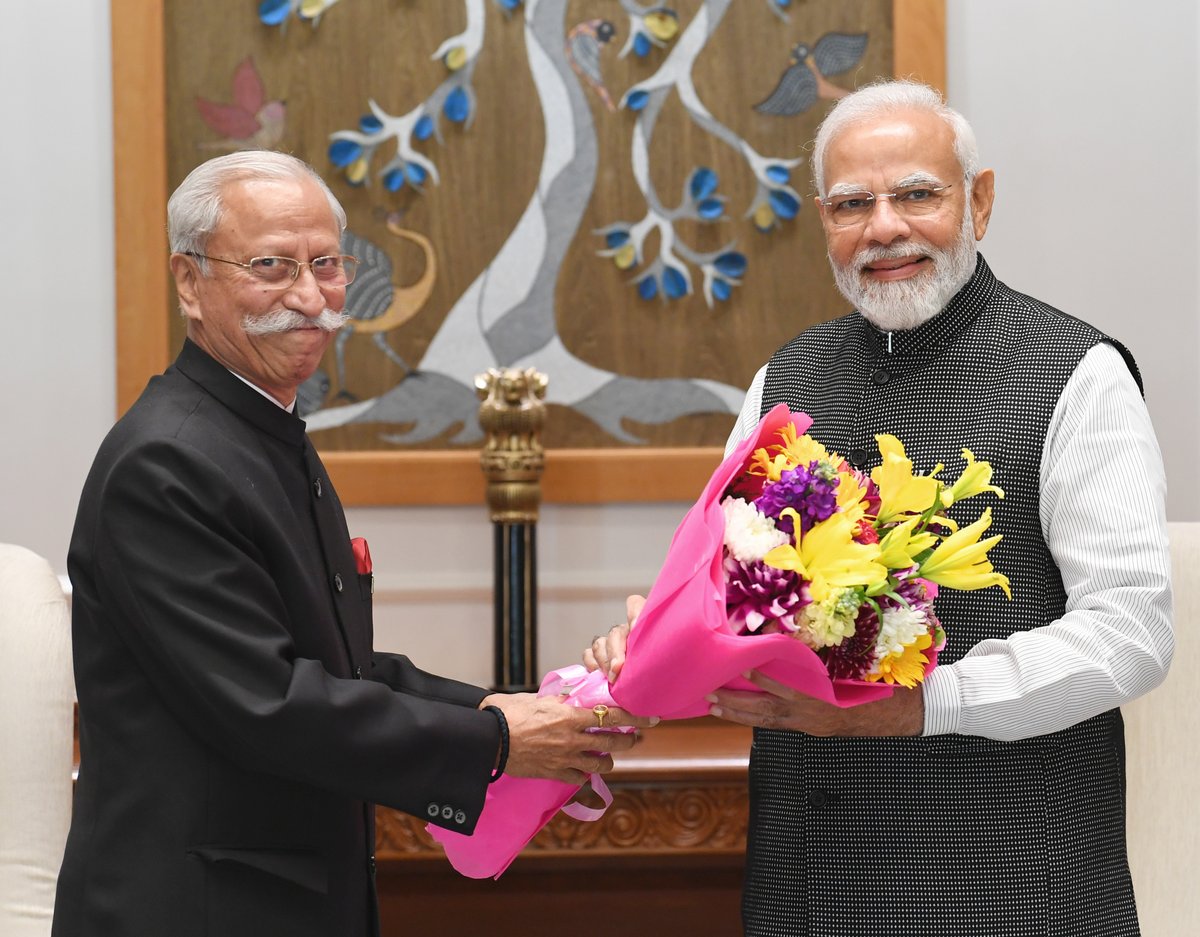
The Making of a Strategic Commander
Lt. Gen. Parnaik's leadership evolved from tactical command in the field — where decisions are made under fire — to operational and strategic leadership over decades. As responsibilities grew from battalion to brigade and division command, he developed the capacity to think in systems, anticipate second-order consequences, and balance mission imperatives against the welfare of his forces.
His appointment as GOC-in-C, Northern Command — the Indian Army's most operationally active command, responsible for the LoC with Pakistan, the LAC with China in Ladakh, and internal security across Jammu and Kashmir — was the culmination of this evolution. He became the first Maharashtrian officer to hold this position.
Under his command, Northern Command maintained the highest levels of operational readiness while pursuing a nuanced approach in Jammu and Kashmir. His leadership balanced security operations with minimising civilian impact, aiming not merely to defeat adversaries but to create conditions for lasting peace and stability.
Honours & Decorations
PVSM
Param Vishisht Seva Medal
India's second-highest peacetime military decoration, the Param Vishisht Seva Medal is awarded for distinguished service of the most exceptional order. Instituted in 1960, its conferral upon Lt. Gen. Parnaik reflects extraordinary service across multiple decades and diverse operational environments.
UYSM
Uttam Yudh Seva Medal
The Uttam Yudh Seva Medal is awarded for distinguished service of a high order during operations, recognising exceptional leadership during active military engagements. Its award to Lt. Gen. Parnaik reflects his distinguished service during some of the Indian Army's most demanding operational deployments.
YSM
Yudh Seva Medal
The Yudh Seva Medal is awarded for distinguished service during operations, recognising meritorious contributions in operational theatres under conditions of stress and danger. For Lt. Gen. Parnaik, the YSM underscores his sustained contribution to Indian military operations across multiple theatres and decades.
Holding the PVSM, UYSM, and YSM together is a distinction of exceptional rarity, testifying to sustained excellence across both peacetime service and operational environments. These decorations collectively represent the nation's recognition of a life devoted to the defence of India's sovereignty and the safety of its citizens.

Guiding Principles
At the core of Lt. Gen. Parnaik's leadership lies the conviction that institutional integrity must always supersede personal ambition. For him, the strength of any institution — military or constitutional — resides not in the individuals who occupy positions of authority but in the integrity of its processes, traditions, and values.
Equally central is understanding ground realities before making decisions, and exercising strategic patience — resisting premature action until situations develop with sufficient clarity. These qualities, honed through decades of counter-insurgency and border operations, are complemented by a balance of firmness in upholding principles with flexibility in adapting to changing circumstances.
Underpinning all of these principles is a belief in the Constitution of India as a living covenant between the state and its citizens. This belief, deepened by a lifetime of service in uniform and now in constitutional office, represents the unifying thread connecting the military commander to the constitutional governor.
The Complete Leader
Strategic Vision
An exceptional capacity to perceive the broader strategic landscape and anticipate emerging challenges long before they materialise. His ability to connect tactical realities with national-level strategic imperatives has been the defining hallmark of his command tenure and continues to inform his governance approach.
Operational Excellence
A proven record of delivering results in the most demanding operational environments that the Indian military offers. From high-altitude warfare to counter-insurgency operations, his commitment to operational excellence has been consistent, earning him multiple gallantry and distinguished service decorations from the nation.
Institutional Integrity
A deep and abiding commitment to strengthening the institutions he serves rather than leveraging them for personal advancement. His leadership has consistently prioritised the long-term health and effectiveness of military and governance institutions over short-term expediency or personal acclaim.
Commitment to Service
An unwavering dedication to the service of the nation and its people that has been the constant thread throughout his career. Whether commanding troops on the Line of Control or serving as the constitutional head of a frontier state, his commitment to the welfare of those he serves has remained absolute and unconditional.